

Pollinator Planting
Welcome to our pollinator planting program! We aim to educate students about the vital role of bees in our ecosystem while beautifying school grounds with colorful flowers. Explore the details below to learn how we can enrich your school’s environment through pollinator planting.

Promoting Pollinator Planting: Fostering Bee Awareness and Vibrant School Environments
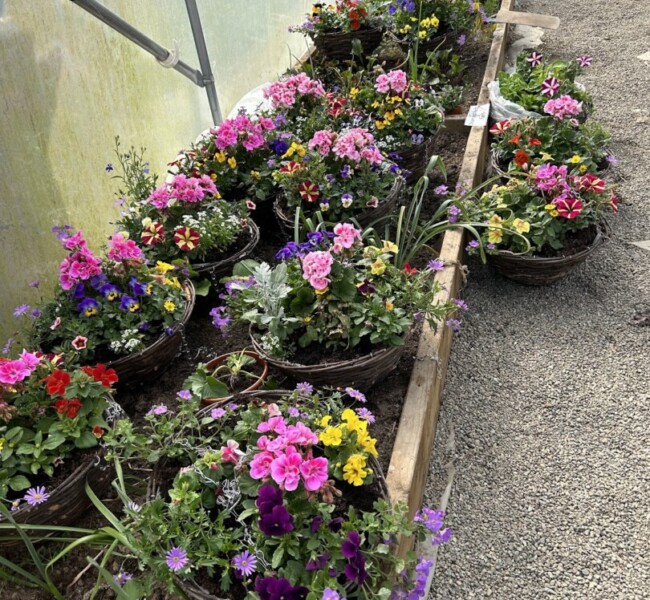
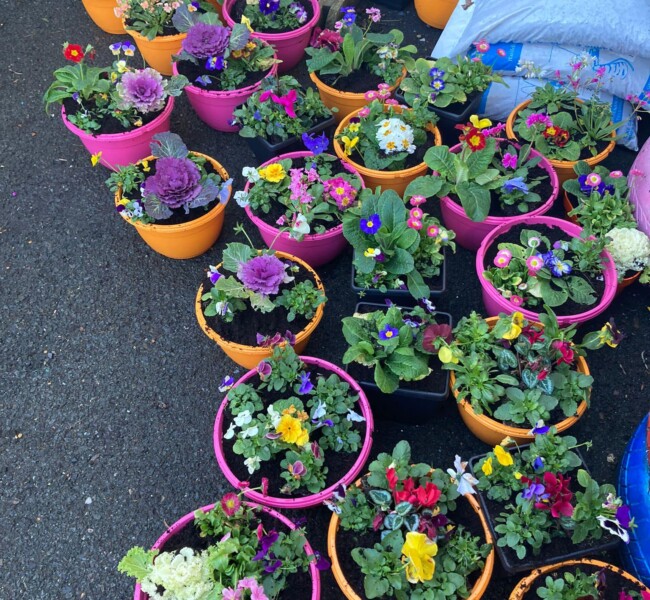
Students engage in hands-on activities to plant containers filled with pollinator-friendly flowers, strategically chosen to attract a diverse array of beneficial insects including bees, butterflies, and wasps. By selecting a variety of flowering plants with different colors, shapes, and bloom times, students not only provide essential food sources for these pollinators but also contribute to the overall biodiversity of the ecosystem. Through this experience, students gain a deeper understanding of the interconnectedness of plant and animal life while actively participating in conservation efforts to support local pollinator populations.
Working Process
At Gardening For Schools, we’re dedicated to cultivating a deeper understanding of the vital role bees play in our ecosystem while simultaneously enhancing the aesthetic appeal of school grounds through our pollinator planting initiatives. Through hands-on activities and educational sessions, we aim to raise awareness about bee conservation and the importance of supporting pollinator populations.
Bee Awareness Sessions
Colorful Flower Pots and Discussions
Beautifying School Ground

Tips & Tricks
When designing a pollinator garden, several key considerations can help create a thriving habitat for local pollinators. First and foremost, prioritise native plants that are well-adapted to your region’s climate and soil conditions, as they offer the most suitable food sources for indigenous pollinators. Aim for diversity in plant selection by incorporating flowers of various shapes, sizes, and colors to attract a wide range of pollinator species. Grouping plants together in clusters or drifts enhances their visibility and appeal to pollinators, increasing the likelihood of successful pollination. Additionally, providing water sources such as shallow dishes or small water features ensures that pollinators have access to hydration.
Avoiding pesticides is crucial to safeguarding pollinator health, so opt for natural pest control methods whenever possible. Plan for continuous blooms throughout the growing season to sustain pollinators with a steady supply of nectar and pollen. Creating habitat diversity with a mix of plant heights, textures, and structures offers shelter and nesting sites for different pollinator species. Finally, encourage students to actively observe pollinator behaviour in the garden and document their findings, fostering a deeper understanding of pollinator ecology and behaviour through hands-on learning.

