Sensory Garden
Welcome to our sensory garden program designed specifically for schools! Sensory gardens offer a unique and enriching outdoor experience that engages students’ senses and promotes holistic development. In these carefully curated spaces, students have the opportunity to explore a variety of plants and sensory elements, stimulating their taste, touch, smell, sight, and even sound. Our program aims to create vibrant and inclusive environments where students can connect with nature, learn about plants and gardening, and experience the therapeutic benefits of sensory stimulation. Join us on a journey to cultivate curiosity, creativity, and well-being through the magic of sensory gardens in schools.

Harmony in Bloom: Crafting Sensory Gardens for Tranquility and Therapeutic Delight
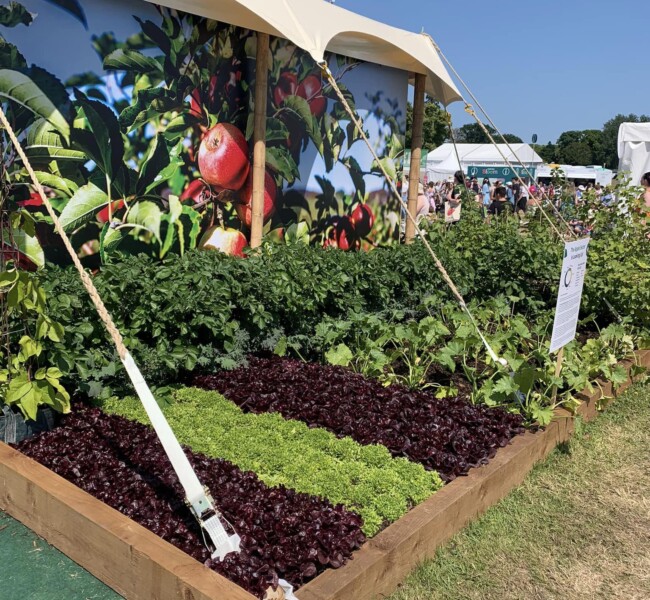
From the gentle rustle of leaves in the breeze to the fragrant aroma of blooming flowers, each element is thoughtfully selected to evoke a specific sensory response and create a harmonious sensory experience. Common elements found in sensory gardens include an array of plants chosen for their diverse textures, colors, and fragrances, as well as features like water fountains, wind chimes, and tactile pathways. Together, these elements come together to create an immersive environment that not only delights the senses but also provides therapeutic benefits, offering moments of tranquility, inspiration, and rejuvenation for pupils and teachers.

Working Process
A sensory garden is a meticulously crafted space intentionally designed to captivate the senses, offering a myriad of sensory experiences that promote relaxation, exploration, and learning. Within these enchanting landscapes, the pupils are encourage to immerse themselves in a symphony of sights, sounds, textures, scents, and tastes, awakening their senses to the wonders of the natural world.
Taste
Touch
Smell

Sight
Sound

Tips & Tricks
Engage all senses by incorporating plants and features that stimulate sight, smell, touch, taste, and sound, creating a holistic sensory experience. Plan for diversity by selecting a variety of plants with different textures, colors, and fragrances to cater to diverse sensory preferences. Create tactile pathways lined with plants like lambs ear or silver sage to encourage tactile exploration and interaction. Implement water features such as fountains or ponds to add soothing sounds and visual interest while attracting wildlife. Include edible plants like herbs and fruits to engage the sense of taste, providing hands-on learning opportunities about gardening and nutrition. Embrace aromatherapy by integrating aromatic plants like lavender or chocolate cosmos to fill the air with pleasant scents, promoting relaxation.
Optimise visual appeal by choosing visually striking plants with vibrant colors and unique shapes. Encourage exploration with a garden layout designed for discovery, featuring winding pathways and secluded seating areas inviting visitors to fully immerse themselves in the sensory experience.